Glossary
Ethiopian Coffee Terminology
A comprehensive reference guide to the terminology used in Ethiopian coffee production, grading, and international trade.
This glossary defines the essential terminology used in Ethiopian coffee grading, processing, and international trade. From SCA cupping scores to ECX trading protocols, these are the terms every green coffee buyer and specialty roaster needs to understand when sourcing Ethiopian Arabica.
Arabica
VarietyThe species Coffea arabica, originating from Ethiopia. Known for complex flavors and lower caffeine than Robusta. All Ethiopian export coffee is Arabica.
Explore Guji Arabica flavor profilesCupping
QualityA standardized tasting protocol used to evaluate coffee quality. Involves grinding, steeping in hot water, and evaluating aroma, flavor, acidity, body, and aftertaste.
Read our Ethiopian cupping protocol guideDefect Count
GradingThe number of defects found in a 300g green coffee sample. Used to determine Ethiopian coffee grades. Grade 1 specialty has 0-3 defects; Grade 2 has 4-12.
See full Ethiopian grading standardsDry Mill
ProcessingA processing facility where parchment coffee is hulled, sorted by screen size and density, graded, and prepared for export. Most Ethiopian dry mills are in Addis Ababa.
How dry-mill grading determines export qualityECX (Ethiopian Commodity Exchange)
TradeA centralized trading platform where the majority of Ethiopian coffee is sold. Coffee is graded by CQIC and traded based on region and grade without lot-specific traceability.
ECX vs. Direct Trade explainedFull Natural (Dry Process)
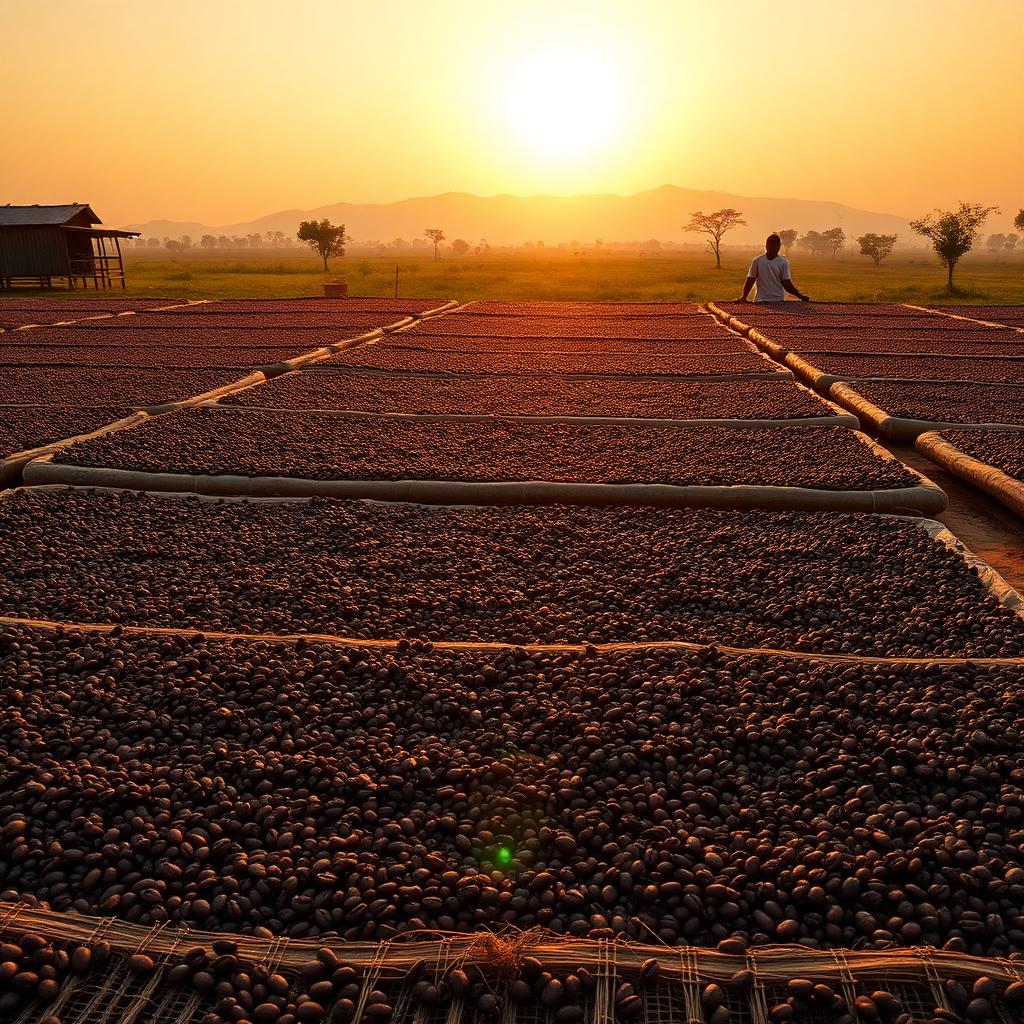
ProcessingA processing method where coffee cherries are dried whole on raised beds. Produces fruit-forward, full-bodied coffees common in Guji and Sidamo.
Compare natural vs. washed processingGreen Coffee
TradeUnroasted coffee beans that have been processed and dried to approximately 10-12% moisture content. This is the form in which coffee is traded internationally.
Green coffee storage best practicesHeirloom Varieties
VarietyA catch-all term for Ethiopia's thousands of indigenous coffee varieties. Includes both wild forest varieties and JARC (Jimma Agricultural Research Center) selections.
Read about Ethiopian heirloom varietiesHoney Process
ProcessingA processing method between washed and natural where some mucilage is left on the bean during drying. Less common in Ethiopia but growing in popularity.
How honey process compares to washed and naturalICO (International Coffee Organization)
TradeAn intergovernmental organization that sets international coffee trade policies and standards. Ethiopia is a member nation.
JARC
VarietyJimma Agricultural Research Center. Ethiopia's primary coffee research institution responsible for developing disease-resistant and high-yielding coffee varieties.
JARC's role in Ethiopian variety developmentLot
TradeA specific batch of coffee, typically from a single day's processing at a washing station. Specialty buyers often purchase by lot to maintain traceability.
Browse current Guji lots for exportMoisture Content
QualityThe percentage of water in green coffee beans. Export standard is 10-12%. Higher moisture leads to mold; lower moisture accelerates aging.
Parchment Coffee
ProcessingCoffee beans still enclosed in their parchment layer (endocarp) after wet processing. This protective layer is removed at the dry mill before export.
Q-Grader
QualityA certified coffee professional licensed by the Coffee Quality Institute to grade specialty coffee using standardized cupping protocols.
How Q-Graders evaluate Ethiopian specialty coffeeRaised Beds (African Beds)
ProcessingElevated drying structures made of mesh or bamboo that allow air circulation around drying coffee. Standard practice in Ethiopian specialty production.
See Hambela's raised-bed natural processingScreen Size
GradingA measurement of green coffee bean size using graduated sieves. Ethiopian Grade 1 coffee is typically screen size 15 and above.
SCA Score
QualitySpecialty Coffee Association cupping score. Coffee scoring 80+ points is considered specialty grade. Ethiopian Guji coffees often score 84-90+.
Understand SCA scoring for Ethiopian coffeeTraceability
TradeThe ability to track coffee back to its origin, including specific washing station, harvest date, and processing method. Essential for specialty and direct trade.
Our traceability and direct-trade approachVertical Integration
TradeWhen an exporter owns or directly controls washing stations, allowing for identity-preserved lots and full traceability outside the ECX system.
How vertical integration powers our export modelWashing Station
ProcessingA facility where coffee cherries are received from farmers, processed (washed or natural), and dried. The primary unit of traceability in Ethiopian specialty coffee.
Uraga's washing station networkWashed Process
ProcessingA processing method where the cherry skin and mucilage are removed before drying. Produces clean, bright coffees that highlight terroir characteristics.
Washed vs. natural process comparisonWoreda
OriginAn Ethiopian administrative district. Coffee origin is often specified at the woreda level (e.g., Uraga, Hambela, Shakiso within Guji Zone).
Explore Guji woredas: Uraga, Hambela, ShakisoZone
OriginA larger Ethiopian administrative region containing multiple woredas. Guji Zone is within Oromia Region and was formerly part of Sidamo.
Guji Zone overview and geographyLearn More
Related Resources
FAQ
Frequently Asked Questions About Coffee Terminology
What does SCA score mean in Ethiopian coffee grading?
What is the difference between washed and natural process coffee?
What does ECX mean in Ethiopian coffee trade?
How is Ethiopian coffee defect count measured?
What are Ethiopian heirloom coffee varieties?
Last reviewed:
Have Questions About Ethiopian Coffee?
Our team is here to help you navigate the world of Ethiopian specialty coffee.