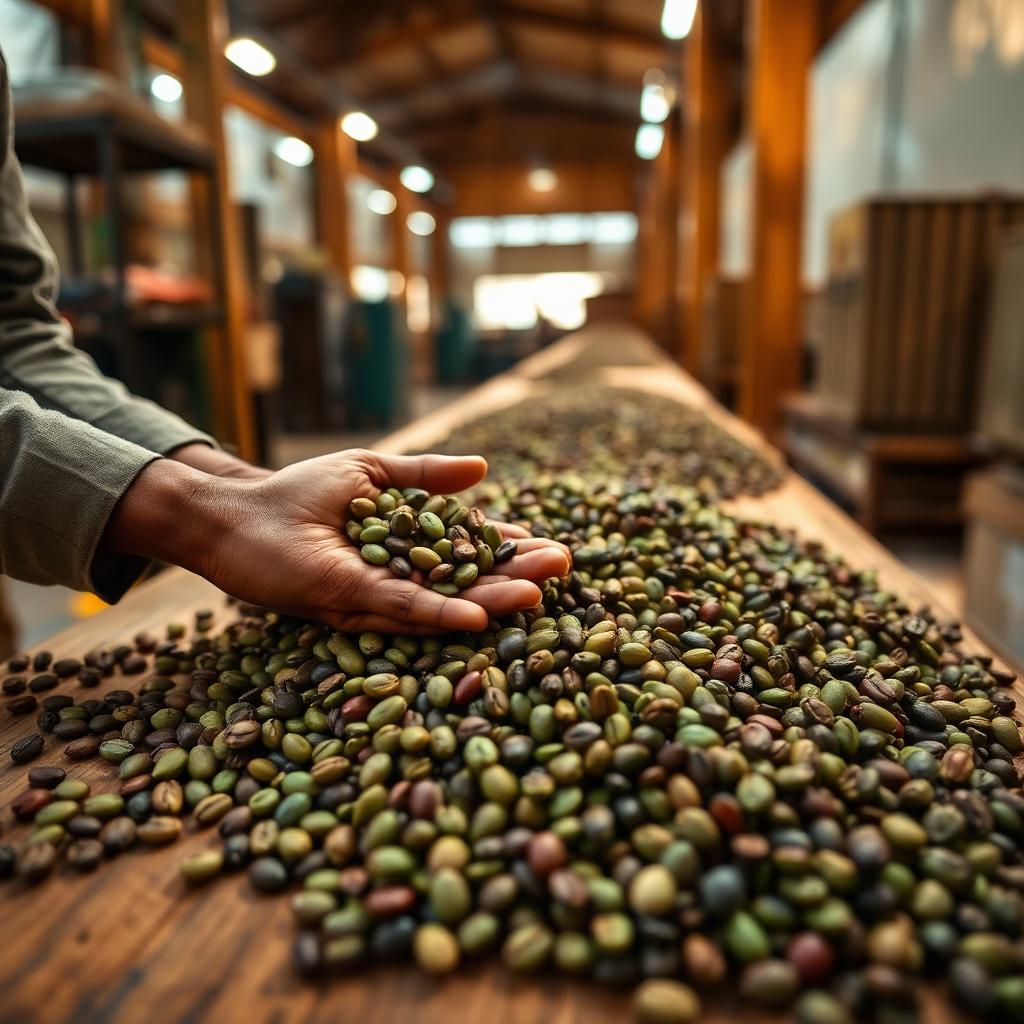
Sub-Region Profile background

Sub-Region Profile

Shakiso: Wild-Grown Semi-Forest Coffee

At 1,800–2,100 meters, Shakiso's semi-forest coffee systems produce Arabica with a distinctive creamy body, stone fruit sweetness, and terroir complexity found nowhere else.

Overview

What Is Semi-Forest Coffee from Shakiso?

Shakiso is a unique Guji district where much of the coffee grows in semi-forest conditions — under natural canopy with minimal intervention. At 1,800–2,100 metres, the rich dark volcanic soil produces Arabica with a distinctive creamy body, rounded acidity, and stone fruit sweetness (peach, apricot) found nowhere else in Ethiopia.

Shakiso is a unique district in Guji Zone where much of the coffee grows in semi-forest conditions — under the natural canopy of indigenous trees with minimal human intervention. This wild-grown character produces coffees with a distinctive terroir signature.

The district sits at slightly lower elevations (1,800–2,100m) than Uraga or Hambela, which gives Shakiso coffees their characteristic fuller body and rounded acidity. The rich, dark volcanic soil — enriched by millennia of forest decomposition — imparts a mineral complexity and creamy mouthfeel.

Shakiso's coffee culture is deeply rooted in traditional farming practices. Smallholder families manage coffee plots within the forest ecosystem, maintaining biodiversity while producing specialty-grade lots that reflect the untouched character of Ethiopia's coffee forests.
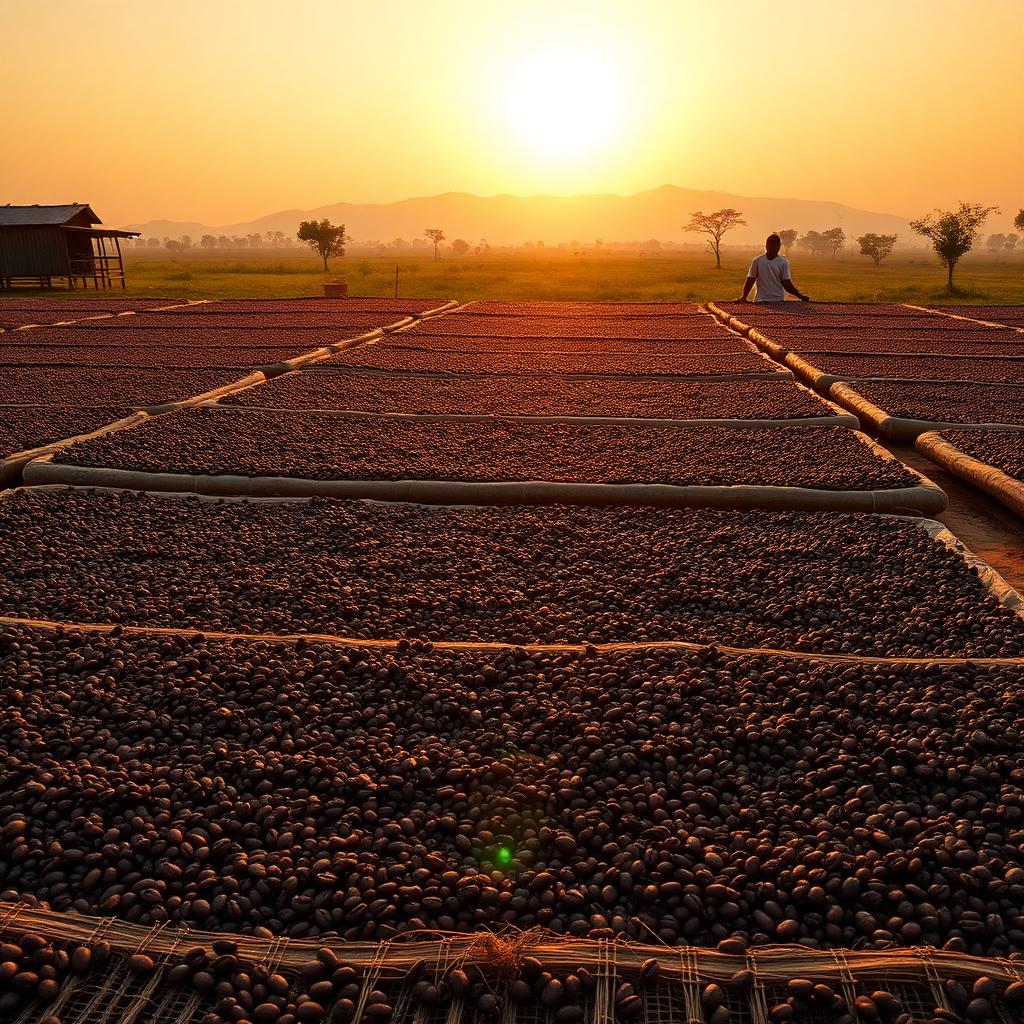
Southern Guji Zone15–24°C Avg.Semi-Forest
Coffee drying on raised African beds in Shakiso, Guji Zone

Semi-Forest

Wild Coffee System

Terroir

What Defines Shakiso's Unique Character?

The semi-forest growing system, dark volcanic soil, and moderate altitude create a cup profile unlike any other Guji sub-region.

Altitude: 1,800–2,100m

Slightly lower than Uraga and Hambela, producing coffees with fuller body, rounded acidity, and prominent sweetness.

Semi-Forest Coffee System

Much of Shakiso's coffee grows in semi-forest conditions — under natural canopy with minimal intervention, producing uniquely complex flavor profiles.

Soil: Rich Dark Volcanic

Deep, dark volcanic soil enriched by millennia of forest decomposition creates exceptional mineral complexity and a distinctive creamy body.

Cup Profile

Shakiso Flavor Signature

Shakiso coffees are loved for their approachable sweetness, rounded body, and stone fruit depth.

Peach

Stone Fruit

Apricot

Stone Fruit

Dark Chocolate

Cocoa

Brown Sugar

Sweet

Red Wine

Ferment

Cream

Body

Processing

Traditional Processing at Shakiso

Shakiso's washing stations blend traditional practices with modern quality protocols.

Natural (Dry Process)

Shakiso's naturals are characterized by stone fruit sweetness and a syrupy, wine-like body. Lower altitude produces larger, more porous cherries that absorb more fruit character during drying, resulting in deeply fruited, dessert-like profiles.

Tasting Notes: Peach, apricot, red wine, dark chocolate

Typical Score: 84–88 SCA

Washed (Wet Process)

Washed Shakiso coffees reveal a softer, rounder profile than other Guji sub-regions — brown sugar sweetness, mild stone fruit, and a creamy mouthfeel that appeals to roasters seeking approachable yet complex specialty lots.

Tasting Notes: Brown sugar, cream, mild peach, almond

Typical Score: 83–87 SCA

Seasonality

Shakiso Harvest & Availability

Oct–NovEarly harvest at lower elevations
Nov–JanMain harvest season across the district
Jan–MarProcessing & quality assessment
Mar–JunExport window — fresh crop availability

FAQ

Frequently Asked Questions About Shakiso Coffee

What makes Shakiso coffee different from other Guji coffees?
Shakiso (1,800–2,100 metres) is Guji's semi-forest origin, known for stone-fruit sweetness and a creamy, rounded body. Its coffees come from semi-forest systems where coffee grows under native canopy, giving Shakiso a softer, sweeter, more approachable profile than Uraga's bright florals or Hambela's bold berry naturals.
What does Shakiso coffee taste like?
Shakiso delivers stone-fruit sweetness — peach and apricot — with a creamy, full body and gentle, balanced acidity. It's a rounder, mellower expression of Guji that suits roasters wanting sweetness and body over high-toned brightness.
What altitude does Shakiso coffee grow at?
Shakiso grows at 1,800 to 2,100 metres above sea level, the lower end of Guji's range. Much of it is semi-forest coffee grown under indigenous shade, which contributes to its creamy body and stone-fruit sweetness.
Is Shakiso coffee washed or natural?
Shakiso produces both washed and natural lots. Its semi-forest growing systems and slightly lower altitude give both styles a characteristic creamy body and stone-fruit sweetness, with naturals adding extra fruit intensity and washed lots offering a cleaner finish.
When is Shakiso coffee available for export?
Like the rest of Guji, Shakiso's main harvest runs November to January, with processing January to March and export availability from March to June. Pre-shipment samples are generally available in spring.

Last reviewed:

Source Shakiso Semi-Forest Coffee

Experience the wild character of Guji's semi-forest coffees. Connect with our team to access Shakiso's finest lots.