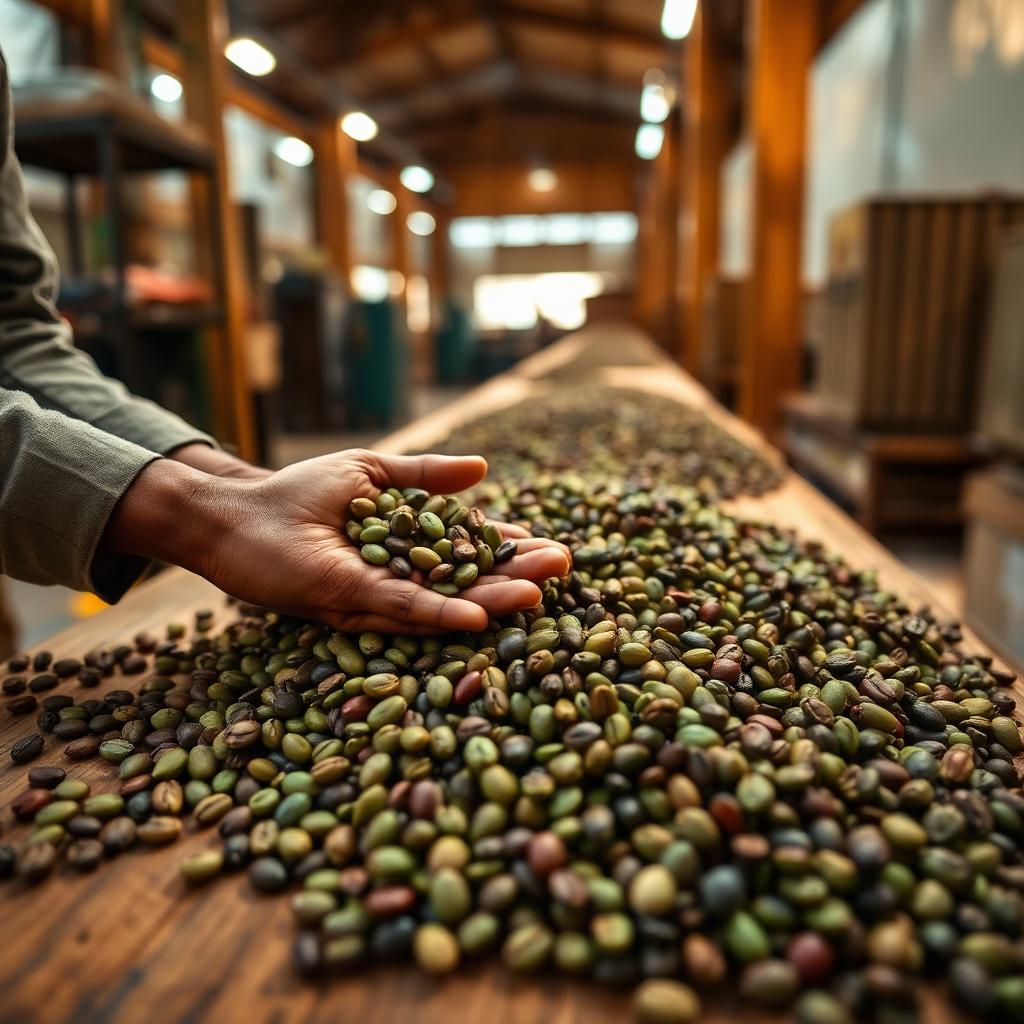
Until 2024, nearly every specialty coffee cupping reference — including the "85+ SCA score" language used throughout this page — pointed to the SCA's 2004 cupping form: a single 100-point scorecard blending sensory attributes into one number. The SCA has since replaced that form with CVA, built on three standards: SCA-102 (sample preparation and cupping mechanics), SCA-103 (Descriptive Assessment), and SCA-104 (Affective Assessment).
The practical difference for buyers: CVA Descriptive Assessment records what a coffee actually tastes like — intensity ratings and specific descriptors for attributes like fragrance/aroma, flavor, aftertaste, acidity, sweetness, and mouthfeel — independent of whether the cupper likes it. CVA Affective Assessment then captures the separate, subjective judgment of overall quality. Separating "what it tastes like" from "how good it is" is considered better cupping-science practice than folding both into a single number, and it gives roasters a more complete profile to buy against than a bare score.
In practice, the trade hasn't fully retired the old shorthand — a lot is still commonly described as "an 85" or "specialty grade" — but that language now describes a threshold carried over from the earlier protocol rather than the standard cupping method itself. When we reference SCA scores elsewhere on this site, that's the context: the number is a familiar buyer shorthand, evaluated today under CVA.
In simple terms: Whether you hear "CVA" or the old "85 SCA score," it means the same thing in practice — professional cuppers have tasted this coffee and confirmed it meets specialty quality standards. CVA just records more detail about why than a single number used to.