Seasonality
Ethiopian Coffee Harvest Calendar for Guji Zone
A month-by-month guide to picking, processing, sampling, and shipping windows for Guji specialty coffee — built for roasters and importers planning the 2026/27 crop.
When to buy
When Is Ethiopian Coffee Harvested?
The Guji main crop runs from October flowering through September shipping — a 12-month cycle that buyers must align with their roasting calendars.
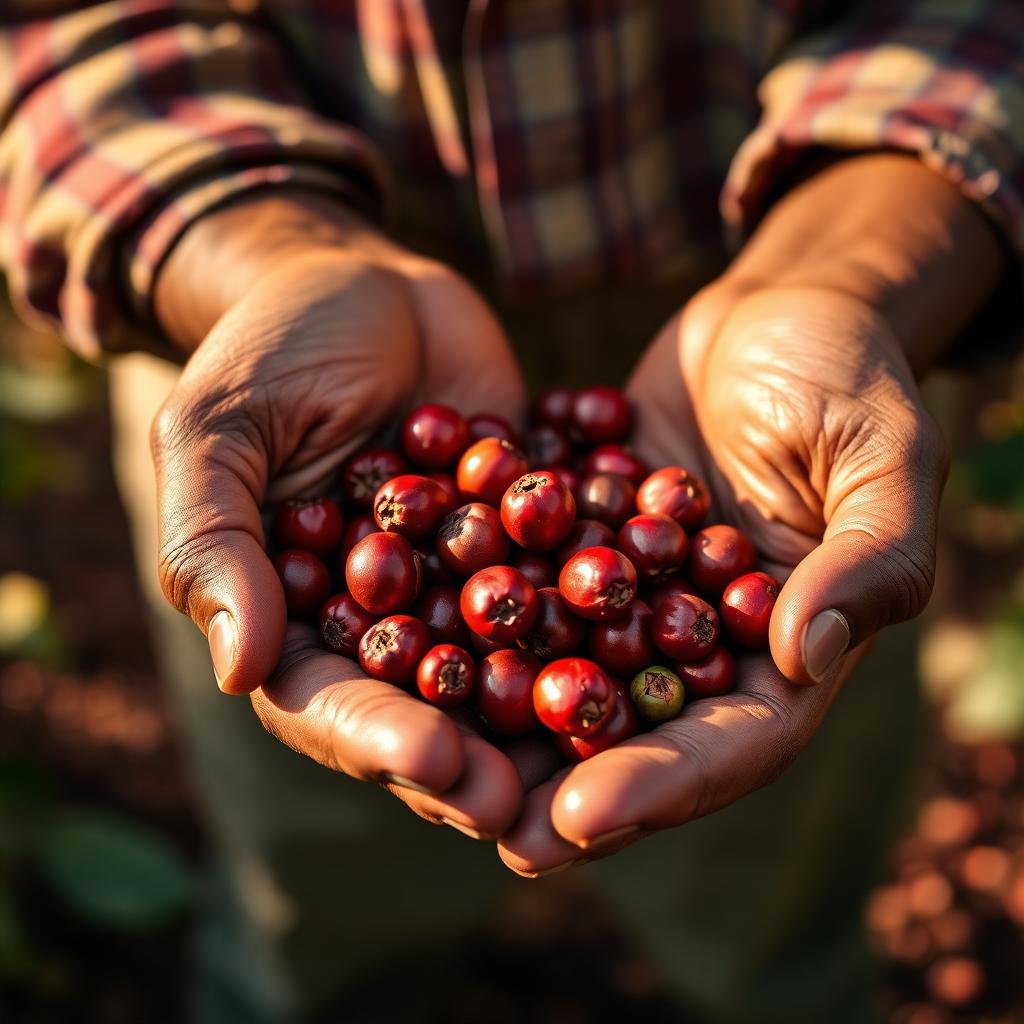
Ethiopian coffee in Guji Zone is harvested between November and February. Shakiso starts in November at lower elevations, Hambela peaks in December, and high-altitude Uraga finishes in late January. Pre-shipment samples are typically available February–April, with first containers leaving Djibouti from June onwards.
Planning the current crop? Read the Guji Coffee 2025/26 Season Update for harvest, pricing, and the washed-to-natural shift this season.
October
Flowering review & early cherry set
All Guji sub-regions
November
Harvest begins at lower elevations
Shakiso (1,800–2,000 m)
December
Peak picking, washing stations open
Hambela & lower Uraga
January
Peak harvest at high elevations
Uraga (2,100–2,350 m)
February
Late picking, naturals on raised beds
Hambela & Shakiso
March
Drying completion, parchment storage
Washing stations
April
Dry milling begins in Addis Ababa
Central dry mills
May
Cupping, grading & sample dispatch
CQIC & exporters
June
Pre-shipment samples to roasters
International buyers
July
First containers leave Djibouti
Export logistics
August
Peak shipping window
Europe, US, Asia, MENA
September
Late shipments, contract closeouts
Final dispatches
Buyer Actions
What Should Roasters Do Each Quarter?
Aligning purchasing milestones with the harvest cycle ensures access to top lots and predictable freshness on arrival.
Sep – Nov
Plan & Pre-Book
Confirm volume forecasts with exporters before harvest. Early commitments secure access to specific washing stations and competition lots.
Dec – Feb
Request Pre-Shipment Samples
First washed samples ship from Hambela in late January. High-elevation Uraga samples follow in February. Naturals arrive 4–6 weeks later.
Mar – May
Approve & Contract
Cup pre-shipment samples, finalise grade and price, and lock contracts with shipping windows tied to your roasting calendar.
Jun – Aug
Ship & Receive
Containers move from Modjo dry port to Djibouti. Transit is 18–22 days to Antwerp, 30–35 to US East Coast, 35–45 to East Asia.
By Sub-Region
How Does Harvest Timing Vary Across Guji?
Elevation drives picking sequence. Lower-elevation Shakiso starts first; high-altitude Uraga finishes last.
Shakiso
Nov – mid-Jan picking
1,800–2,100 m semi-forest. First washed samples ready by mid-February.
Shakiso terroir →
Hambela
Dec – Feb picking
2,000–2,200 m. Naturals dry on raised beds for 18–24 days; samples land March–April.
Hambela terroir →
Uraga
Late Dec – Feb picking
2,100–2,350 m. Latest harvest in Guji; pre-shipment samples typically in April.
Uraga terroir →
Last reviewed:
FAQ
Harvest & Shipping Questions
When does Ethiopian coffee harvest start?
When is fresh-crop Ethiopian coffee available to buyers?
How long does shipping take from Ethiopia?
Can I get samples outside the harvest window?
How does altitude affect picking timing?
Reserve Your 2026/27 Crop Allocation
Lock in volume from Uraga, Hambela, or Shakiso before the next harvest. Early commitments secure access to top washing-station lots.
Contact Our Export Team