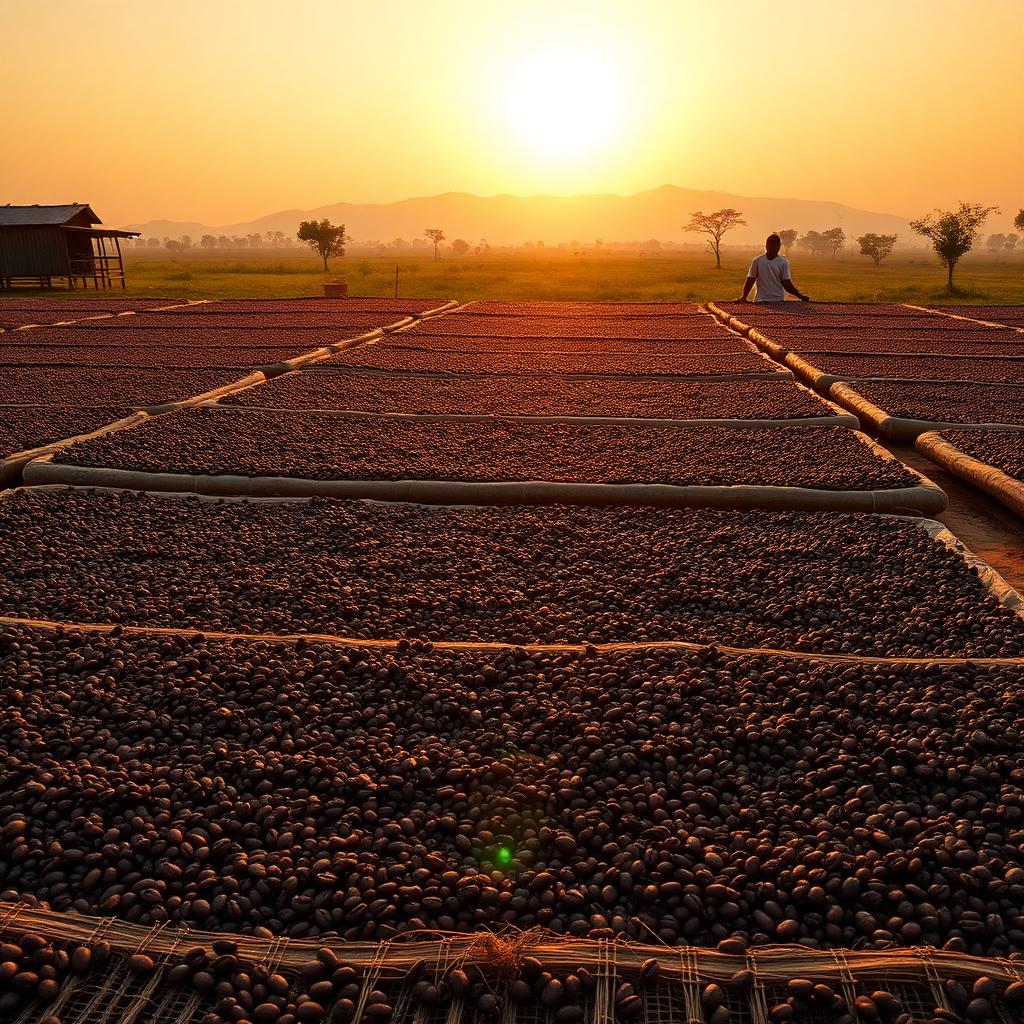
Sub-Region Profile background

    Sub-Region Profile

    Hambela: The Heart of Guji Natural Process

    World-renowned for its fruit-bomb natural coffees, Hambela at 2,000–2,200 meters has become a reference point for specialty natural process Arabica worldwide.

    Overview

    What Makes Hambela Coffee World-Famous?

    Hambela is the district that put Guji on the global specialty map. At 2,000–2,200 metres, its iron-rich laterite soil and cool nights (10–14°C) create ideal conditions for natural process excellence. Hambela naturals — with signature blueberry and strawberry jam profiles scoring 87–92 SCA — are among the highest-rated coffees from any Ethiopian origin.

    Hambela is the woreda (district) that put Guji on the global specialty coffee map. Its natural processed lots — with their signature blueberry and strawberry jam profiles — command premium prices and compete at the highest levels of international cupping competitions.

    Located in the central-western part of Guji Zone, Hambela features a landscape of rolling hills covered with indigenous shade trees. The combination of moderate-to-high altitude (2,000–2,200m), cool nighttime temperatures, and iron-rich volcanic soils creates ideal conditions for slow cherry maturation.

    The district is home to dozens of community washing stations, many of which have developed specialized natural processing techniques — extended drying times, meticulous cherry selection, and careful bed rotation — that have become a model for natural process excellence across Ethiopia.
    Central-Western GujiCool Nights 10–14°C
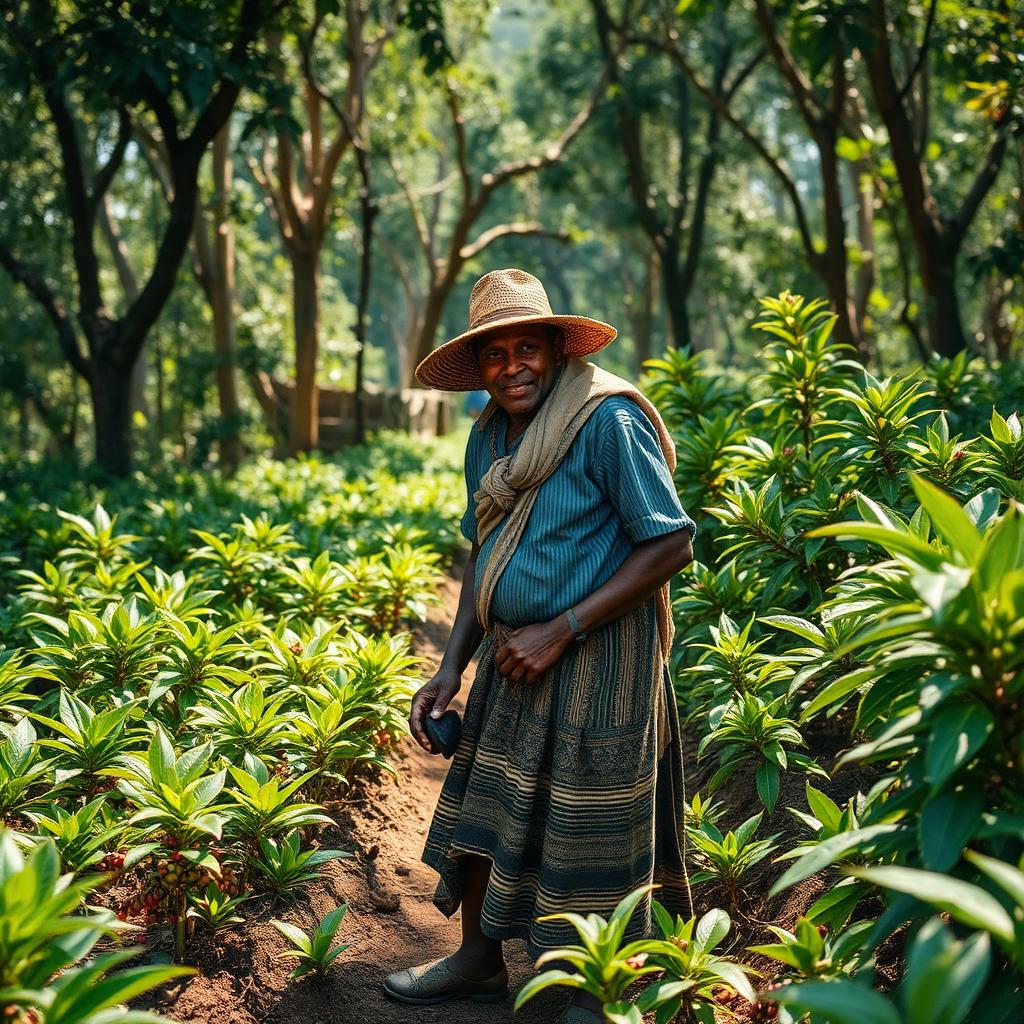
    Ethiopian coffee farmer in Hambela, Guji region

    87–92

    SCA Score Range

    Terroir

    Why Are Hambela Natural Coffees World-Class?

    The convergence of altitude, soil chemistry, and meticulous processing elevates Hambela's natural coffees to competition-winning status.

    Altitude: 2,000–2,200m

    The sweet spot for balanced cup profiles — high enough for density and sweetness, with slightly warmer conditions than Uraga for fuller body development.

    Soil: Red Laterite & Volcanic

    Iron-rich laterite soils overlaying volcanic substrata create a mineral complexity that translates to chocolatey depth and fruit sweetness in the cup.

    Rainfall: 1,500–1,800mm

    Well-distributed rainfall with cooler nighttime temperatures (10–14°C) slows cherry maturation, concentrating sugars and aromatic compounds.

    Cup Profile

    Hambela Flavor Signature

    Hambela's natural coffees are celebrated for explosive fruit intensity and dessert-like sweetness.

    Blueberry

    Berry

    Strawberry

    Berry

    Dark Chocolate

    Cocoa

    Honey

    Sweet

    Stone Fruit

    Fruit

    Caramel

    Sweet

    Processing

    Natural Process Mastery

    Hambela's washing stations have perfected natural processing techniques that produce some of the highest-scoring coffees in Ethiopia.

    Natural (Dry Process)

    Hambela is arguably Ethiopia's most celebrated natural processing origin. Whole cherries are dried on raised African beds for 18–25 days, developing the intense blueberry and strawberry jam notes that have made Hambela a reference point for fruit-forward naturals worldwide.

    Tasting Notes: Blueberry, strawberry jam, tropical fruit, wine

    Typical Score: 87–92 SCA

    Washed (Wet Process)

    Washed Hambela lots reveal a different character — elegant stone fruit acidity, honey sweetness, and a silky body that distinguishes them from the more angular washed coffees of Uraga.

    Tasting Notes: Peach, honey, caramel, floral

    Typical Score: 85–89 SCA

    Seasonality

    Hambela Harvest & Availability

    Oct–NovCherry ripening begins at lower elevations
    Nov–JanMain harvest — peak cherry picking season
    Jan–MarProcessing & drying at washing stations
    Apr–JunExport availability — fresh crop lots

    FAQ

    Frequently Asked Questions About Hambela Coffee

    What makes Hambela coffee different from other Guji coffees?
    Hambela (2,000–2,200 metres) is Guji's natural-process powerhouse. Where Uraga is celebrated for high-altitude florals, Hambela is known for bold, fruit-forward naturals — blueberry, strawberry and dark chocolate — with a full, syrupy body. It's the Guji sub-region roasters reach for when they want a vivid, fruit-driven statement coffee.
    What does Hambela coffee taste like?
    Hambela's signature is intense berry fruit: blueberry, strawberry jam and ripe stone fruit, layered with dark chocolate and a heavy, sweet body — especially in its natural lots. Washed Hambela lots are cleaner and more floral but still carry the region's characteristic fruit sweetness.
    Is Hambela coffee washed or natural?
    Hambela produces both, but it's best known for its naturals, which express the fruit-forward, berry-dominant profile the region is famous for. Whole cherries are sun-dried on raised beds, concentrating sugars and developing the blueberry and strawberry-jam notes buyers prize. Washed lots are also available for programmes wanting a cleaner, more floral cup.
    What altitude does Hambela coffee grow at?
    Hambela grows at 2,000 to 2,200 metres above sea level on volcanic soils — high enough for slow cherry maturation and dense, sugar-rich beans, while its processing tradition leans toward expressive naturals.
    When is Hambela coffee available for export?
    Hambela follows the Guji harvest cycle: main harvest from November to January, processing January to March, and dry milling, grading and export availability from March to June, with pre-shipment samples typically available in spring.

    Last reviewed:

    Source Hambela Natural Coffee

    Access competition-grade natural lots from Hambela's top washing stations. Pre-shipment samples available each season.