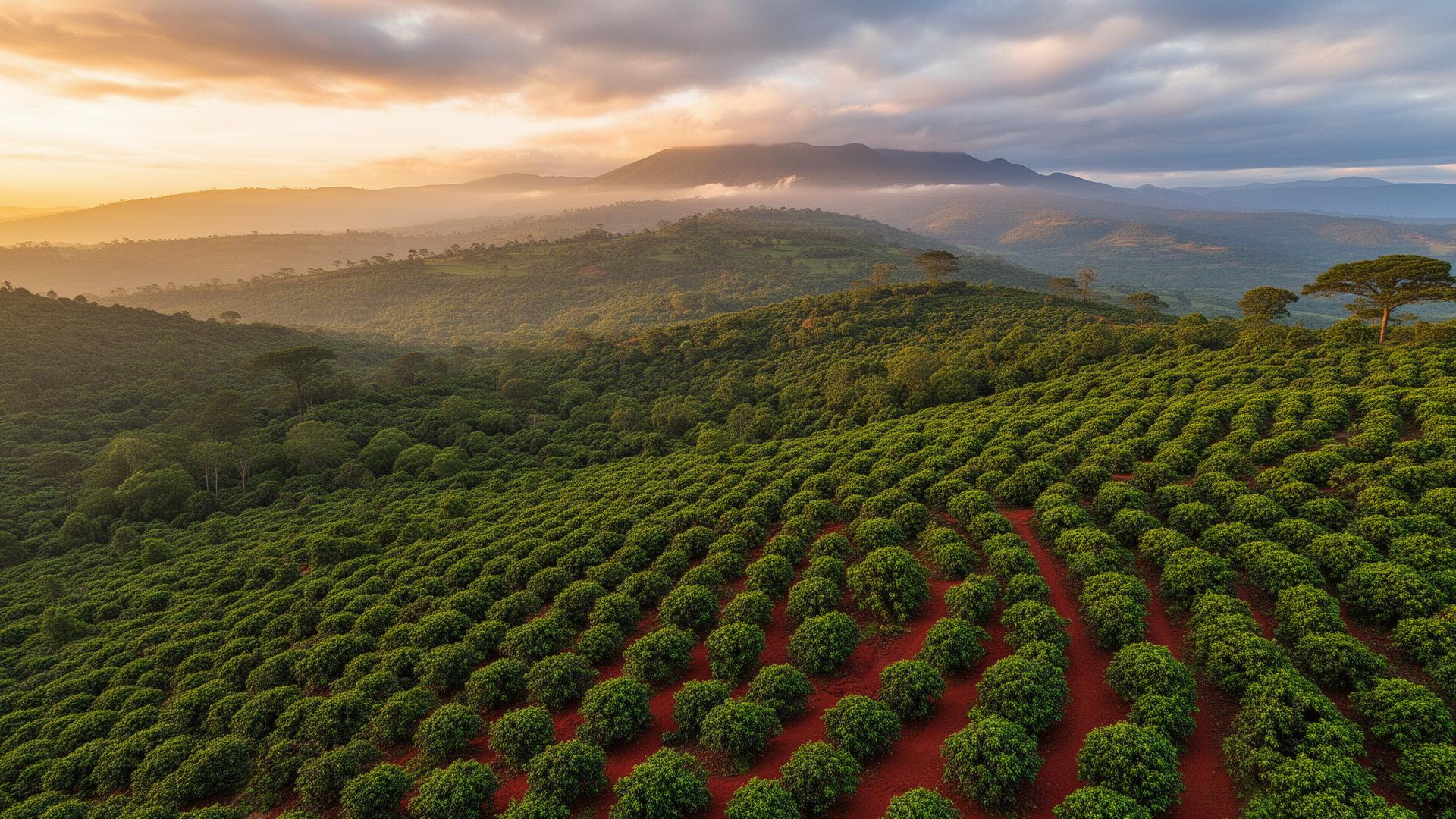
Sub-Region Profile background

    Sub-Region Profile

    Uraga: The Pinnacle of Guji Altitude

    At 2,100–2,350 meters, Uraga produces some of the most refined and florally complex coffees in all of Ethiopia — a benchmark for specialty Guji arabica.

    Overview

    What Makes Uraga Coffee Unique?

    Uraga sits at 2,100–2,350 metres — the highest coffee-growing elevation in Guji Zone. Cool temperatures (14–22°C) slow cherry maturation dramatically, producing exceptionally dense, sugar-rich beans with intense floral aromatics, bright citrus acidity, and a refined tea-like elegance. Grade 1 lots consistently score 86+ on SCA protocol.

    Uraga is a woreda (district) in Guji Zone renowned for some of the highest coffee-growing elevations in Ethiopia, consistently producing Grade 1 specialty lots that score 86+ on SCA protocol.

    The district sits along the eastern escarpment of the Ethiopian Highlands, where cool temperatures (14–22°C annual average) slow cherry maturation dramatically. This extended growing season allows beans to develop exceptional sugar concentration and aromatic complexity — the hallmark of Uraga's floral, tea-like cup profile.

    Coffee cultivation in Uraga is predominantly smallholder-based, with farmers managing plots of 0.5–2 hectares under native shade canopy. Cherries are delivered to community washing stations, which serve as both processing centers and quality control hubs.
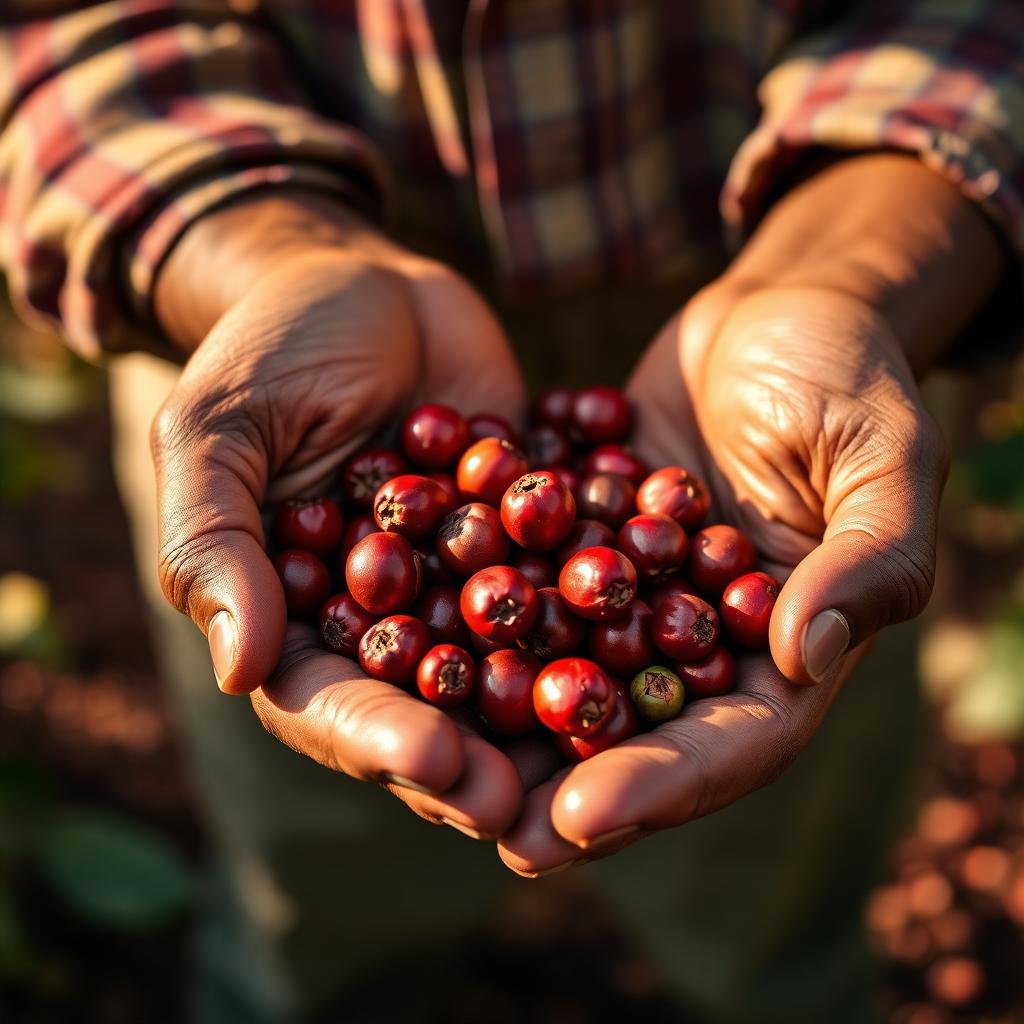
    Eastern Guji Zone14–22°C Avg.Shade-Grown
    Fresh coffee cherries from Uraga, Guji Zone, Ethiopia

    2,350m

    Peak Elevation

    Terroir

    Why Does Uraga Produce Exceptional Coffee?

    The interplay of extreme altitude, volcanic soil, and bimodal rainfall creates a terroir uniquely suited to producing specialty-grade Arabica.

    Altitude: 2,100–2,350m

    Among the highest coffee-growing elevations in Ethiopia, producing exceptionally dense, sugar-rich beans with bright acidity.

    Soil: Deep Volcanic Loam

    Nutrient-dense red volcanic soil enriched with organic matter from ancient forest canopy, providing complex mineral uptake.

    Rainfall: 1,600–2,000mm

    Generous bimodal rainfall with a distinct dry season ensures optimal cherry maturation and concentrated sugars.

    Cup Profile

    Uraga Flavor Signature

    Uraga coffees are celebrated for their intense floral aromatics and bright, structured acidity.

    Jasmine

    Floral

    Bergamot

    Citrus

    Lemon Zest

    Citrus

    Peach

    Stone Fruit

    Black Tea

    Tea-like

    Raw Honey

    Sweet

    Processing

    Washed vs. Natural: Uraga's Dual Identity

    Uraga's washing stations produce both washed and natural lots, each revealing different dimensions of the region's terroir.

    Washed (Wet Process)

    Uraga's washed coffees are prized for crystalline clarity — bright citrus acidity, delicate jasmine florals, and a clean tea-like finish. Cherries are depulped within 12 hours and fermented 36–48 hours.

    Tasting Notes: Jasmine, bergamot, lemon, black tea

    Typical Score: 86–90 SCA

    Natural (Dry Process)

    Natural processed Uraga lots develop intense fruit-forward profiles with strawberry jam, tropical fruit, and wine-like ferment notes. Whole cherries are sun-dried on raised beds for 15–21 days.

    Tasting Notes: Strawberry, tropical fruit, dark chocolate, wine

    Typical Score: 85–89 SCA

    Seasonality

    Uraga Harvest & Availability

    Oct–NovFlowering & early cherry development
    Nov–JanMain harvest — peak cherry picking
    Jan–MarProcessing at washing stations
    Mar–JunDry milling, grading & export availability

    FAQ

    Frequently Asked Questions About Uraga Coffee

    What makes Uraga coffee different from other Guji coffees?
    Uraga sits at the highest coffee-growing elevations in Guji Zone — 2,100 to 2,350 metres — where cool temperatures (14–22°C) slow cherry maturation and concentrate sugars. The result is the brightest, most florally complex profile in Guji: intense jasmine and bergamot aromatics over a refined, tea-like acidity, with Grade 1 lots consistently scoring 86+ on the SCA protocol. Where Hambela is known for bold naturals and Shakiso for creamy stone-fruit sweetness, Uraga is Guji's benchmark for high-altitude floral elegance.
    What does Uraga washed coffee taste like?
    Uraga's washed coffees are prized for crystalline clarity: bright citrus acidity, delicate jasmine florals, lemon and bergamot, and a clean black-tea finish. Cherries are typically depulped within 12 hours and fermented for 36–48 hours. Washed Uraga lots typically score 86–90 on the SCA scale.
    When is Uraga coffee harvested and available for export?
    Flowering and early cherry development run October to November, with the main harvest from November to January. Processing at washing stations takes place January to March, and dry milling, grading and export availability follow from March to June. Pre-shipment samples are generally available March to May.
    What altitude does Uraga coffee grow at?
    Uraga grows at 2,100 to 2,350 metres above sea level — among the highest coffee-growing elevations in Ethiopia. This extreme altitude, combined with deep volcanic loam and 1,600–2,000mm of bimodal rainfall, produces exceptionally dense, sugar-rich beans with bright acidity.
    How is Uraga coffee processed?
    Both washed and natural methods are used. Washed Uraga is depulped within 12 hours and fermented 36–48 hours for a clean, floral, tea-like cup (86–90 SCA). Natural Uraga is sun-dried as whole cherry on raised beds for 15–21 days, developing intense strawberry, tropical-fruit and wine-like notes (85–89 SCA).

    Last reviewed:

    Source Uraga Specialty Coffee

    Connect with our team to access Grade 1 lots from Uraga's finest washing stations. Pre-shipment samples available March–May.