Flavor & Variety background

Flavor & Variety

Guji Coffee Flavor Profiles and Heirloom Varieties

Discover the Guji coffee flavor that defines premium arabica — a technical exploration from a premium arabica exporter covering complex flavor profiles, processing methods, and the Ethiopian heirloom varieties behind this speciality Ethiopian coffee.

Varieties

What Are Ethiopian Heirloom Coffee Varieties?

Ethiopian heirloom varieties represent over 10,000 genetically distinct coffee types — more diversity than all other producing countries combined. These Ethiopian heirloom varieties produce the complex Guji coffee flavor profiles prized in specialty coffee cupping: intense florals, vibrant fruit, and exceptional sweetness.

Ethiopian heirloom varieties represent over 10,000 genetically distinct coffee types — more diversity than all other coffee-producing countries combined. This genetic treasure produces the complex, fruit-forward Guji coffee flavor that defines specialty coffee cupping excellence.

In Ethiopia, the term "heirloom" refers to the thousands of wild or semi-wild varieties that exist naturally within the forests. Unlike other origins that plant specific cultivars like Caturra or Bourbon, Guji coffee is typically a blend of local landraces and JARC (Jimma Agricultural Research Center) varieties.

These varieties have been selected for their resilience and exceptional cup quality, making Ethiopian heirloom coffee genetically unique and irreplaceable in the specialty coffee world.

Wild forest varieties
JARC selections
Local landraces
Indigenous cultivars

Genetic Diversity

Ethiopia hosts over 10,000 coffee varieties, more genetic diversity than all other coffee-producing countries combined. This treasure trove of genetics is the foundation of exceptional cup profiles.

10,000+

Unique Coffee Varieties

Processing

How Does Processing Affect Coffee Flavor?

The processing method at the washing station significantly alters the Guji coffee flavor characteristics of the final green coffee.

ProcessFlavor AttributesAcidityBody
WashedJasmine, Bergamot, Lemon, PeachHigh, CrispLight, Tea-like
NaturalDried Strawberry, Blueberry, Chocolate, JamModerate, WineyHeavy, Syrupy

Washed Process

Cherries are pulped and fermented to remove mucilage before drying. This process highlights the inherent terroir characteristics and produces a cleaner, brighter cup with pronounced acidity.

Natural Process

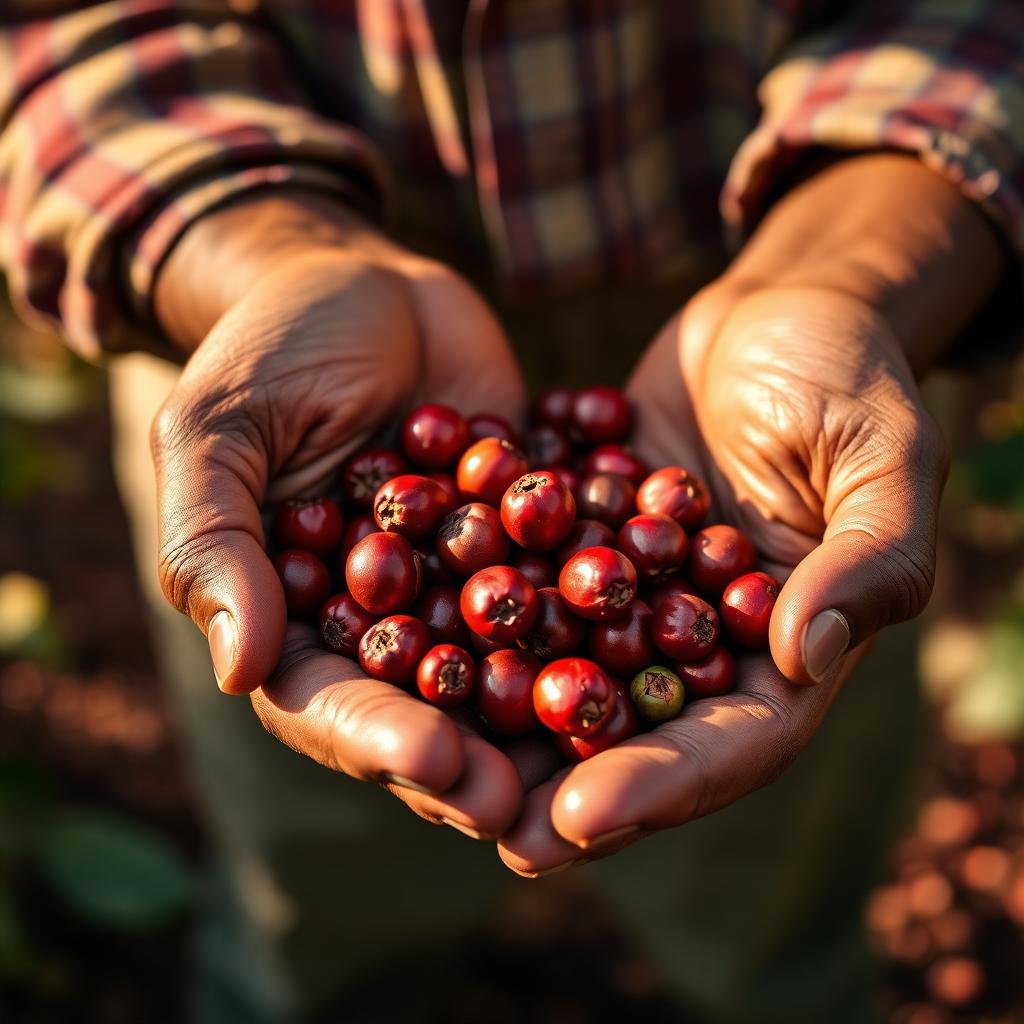
Whole cherries are dried intact, allowing the fruit to impart intense sweetness and complexity. This traditional method produces bold, fruit-forward coffees with a heavier body.

Tasting Notes

What Does Guji Coffee Taste Like?

While specific lots vary, the Guji coffee flavor is globally recognized for its complexity. The high altitude (often above 2,000m) produces dense beans ideal for specialty coffee cupping evaluation.

Aromatics

High floral intensity with notes of Rose and Jasmine

Acidity

Sophisticated phosphoric or malic acidity

Sweetness

Clear notes of honey, cane sugar, or tropical fruits

Last reviewed:

Evaluating Quality

When sourcing green coffee from our export facility, buyers should look for uniform bean size, moisture levels between 9-12%, and the absence of primary defects. The terroir of Guji ensures that even at different roast levels, the inherent floral and fruit characteristics remain prominent.

9-12%

Moisture

Screen 15+

Bean Size

Grade 1

Target

Learn About Grading Standards

FAQ

Frequently Asked Questions About Guji Coffee Profiles

What does Guji coffee taste like?
Guji coffee is known for intense floral aromatics, bright citrus acidity, and complex fruit sweetness. Washed lots typically feature jasmine, bergamot, and lemon zest with a tea-like body. Natural processed Guji coffees develop bold strawberry, blueberry, and tropical fruit notes with a heavier, syrupy mouthfeel. The high altitude (2,000m+) concentrates sugars, producing exceptional sweetness across both processes.
What are Ethiopian heirloom coffee varieties?
Ethiopian heirloom refers to over 10,000 genetically distinct coffee varieties growing wild or semi-wild in Ethiopia's forests. Unlike other origins that plant specific cultivars like Bourbon or Caturra, Guji farmers grow a mix of indigenous landraces and JARC (Jimma Agricultural Research Center) selections. This unmatched genetic diversity is the foundation of Guji's complex, fruit-forward flavor profiles.
What is the difference between washed and natural process coffee?
Washed (wet) process removes the cherry fruit before drying, producing cleaner, brighter cups with pronounced acidity and floral notes. Natural (dry) process dries the whole cherry intact, allowing the fruit to ferment and impart intense sweetness, berry flavors, and a heavier body. In Guji, both methods are used — washed for clarity and elegance, natural for fruit intensity and complexity.
How is Guji coffee different from Yirgacheffe?
While both are high-altitude Ethiopian origins, Guji and Yirgacheffe have distinct terroir profiles. Guji coffees tend to have bolder fruit intensity, higher sweetness, and more body than Yirgacheffe. Guji's volcanic red basalt soil and slightly warmer microclimate produce denser, sugar-rich beans. Yirgacheffe is typically lighter and more delicate. Many specialty roasters now consider Guji the more complex origin.
What SCA score do Guji coffees typically achieve?
Specialty-grade Guji coffees regularly score between 85 and 92 on the SCA (Specialty Coffee Association) cupping protocol. Grade 1 washed lots from sub-regions like Uraga typically score 86–90, while exceptional natural lots from Hambela can reach 90–92. These scores reflect the region's exceptional terroir, careful processing, and the inherent quality of Ethiopian heirloom varieties.

Discover the Taste of Guji

Request samples of our current offerings and experience the exceptional Guji coffee flavor profiles firsthand. Our Ethiopian heirloom varieties deliver outstanding results in specialty coffee cupping evaluations.